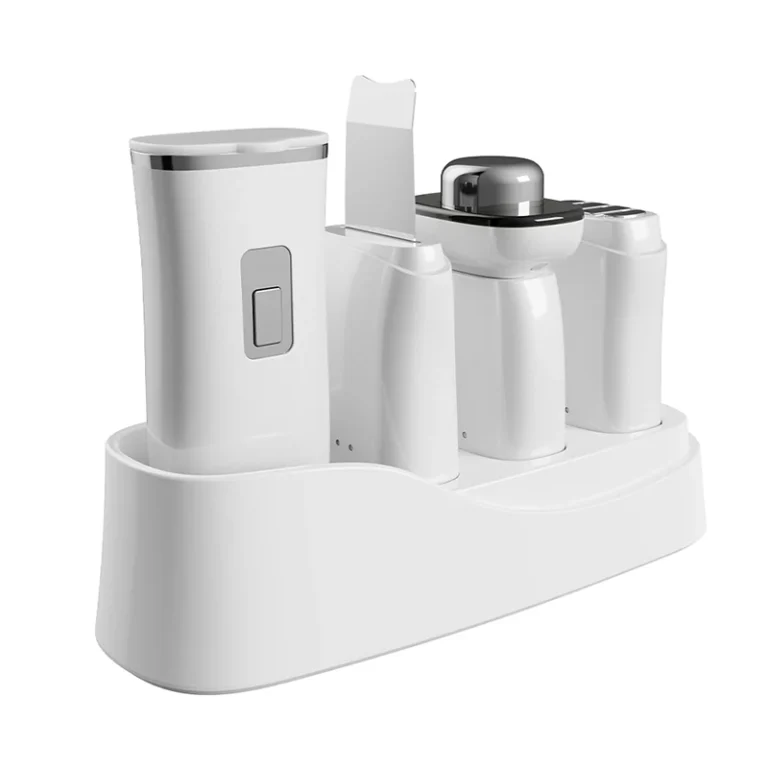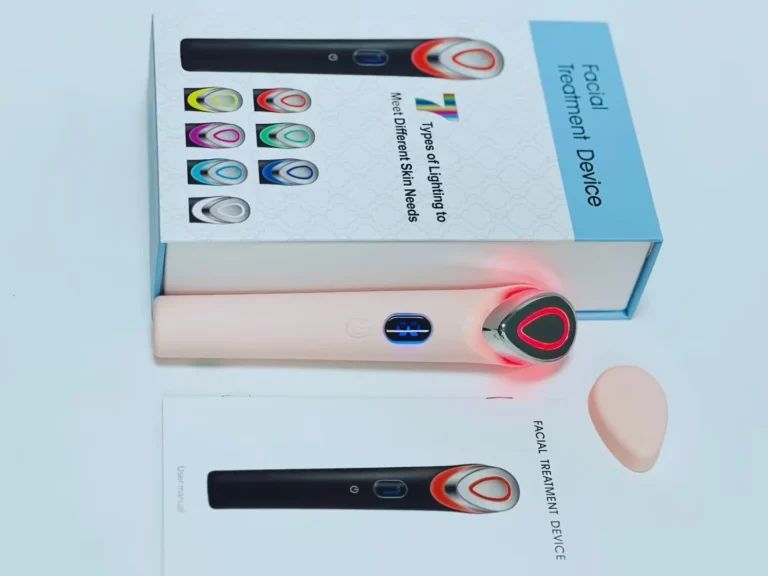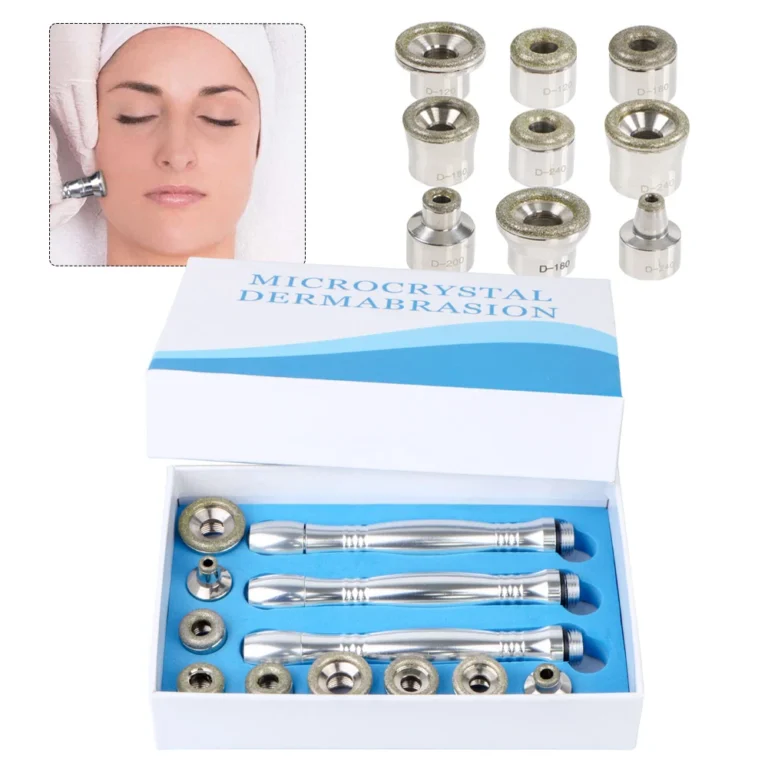


A good RF EMS facial massager can be one of the most useful tools in a home beauty setup, but only if you understand how it fits into a routine. Many people buy a device, use it three times, and then leave it in a drawer. The issue is rarely the hardware. The issue is unclear expectations and inconsistent use.
RF and EMS are different technologies that can complement each other. RF (radio frequency) is typically associated with warming support for skin appearance and texture. EMS (electrical muscle stimulation or microcurrent-style pulses depending on design) is often used to provide stimulation that supports a firmer-looking contour. Together, these modes can create a useful at-home maintenance system.
What an RF EMS Facial Massager Is Designed to Do
An RF EMS facial massager is generally built for visible skin-quality maintenance, not instant dramatic transformation. With regular use, many people report skin that looks smoother, more toned, and more refreshed. That “fresh” look often comes from better routine consistency, massage stimulation, and improved product application habits.
Most devices also include additional support modes such as LED, vibration, heat, or ion care. These are not magic shortcuts, but they can make daily skincare more structured and more effective in practical terms.
If your goal is realistic, this category performs well: better-looking skin texture, improved contour appearance, and a stronger self-care habit that compounds over time.
RF vs EMS: Why Both Modes Matter
RF and EMS serve different purposes in many home devices.
RF mode: often creates gentle warmth and supports the appearance of smoother, firmer skin over time. Many users prefer RF in evening routines with conductive gel or serum.
EMS mode: provides pulse-based stimulation sensation that can support a lifted appearance in facial and jawline areas when used consistently.
Using both in a structured schedule can outperform random single-mode use. For example, users often run RF-focused sessions on texture care days and lighter EMS sessions on contour-focused days.
Best Areas to Treat With an RF EMS Facial Massager
Typical treatment zones include:
- Jawline and lower cheek contour
- Nasolabial area (with light pressure and proper glide)
- Forehead and brow zone
- Neck and under-chin areas (if device supports neck use)
Use upward and outward strokes. Keep movement steady. Avoid pressing too hard. This is not a deep tissue massage tool; it is a controlled facial routine device.
How to Start a Beginner Routine That Lasts
If you are new to this category, keep your plan simple:
- Week 1-2: 3 sessions per week, low intensity
- Week 3-4: 3-4 sessions per week, moderate intensity
- Week 5+: maintain 3-5 short sessions weekly
Each session can be 8 to 15 minutes depending on area count and device instructions. The goal is not maximum intensity. The goal is repeatability.
Always use a conductive medium when required by your device. Dry treatment can feel uncomfortable and may reduce quality contact.
Pairing Device Use With Skincare Products
A home face contouring routine works better when your device and skincare products are compatible. Typical sequence:
1. Cleanse thoroughly 2. Apply conductive gel or water-based essence 3. Run RF/EMS device 4. Finish with hydration and moisturizer 5. Use SPF next morning if routine was done at night
Avoid strong acids, retinoids, or harsh exfoliation right before your device session unless your skin tolerates this well and your routine is already stable.
Mistakes That Reduce Results
The first mistake is using too much intensity too early. Strong settings are not always better. Overstimulation can create discomfort and cause users to quit.
Second mistake: no schedule. Random use gives random outcomes. Create fixed days and times.
Third mistake: poor glide medium. Without adequate conductive support, sessions feel rough and uneven.
Fourth mistake: expecting overnight lifting. Device-based care is cumulative. Think in 8-12 week windows, not 2-day windows.
How to Choose the Right RF EMS Device
When selecting an EMS microcurrent beauty device or RF + EMS hybrid, evaluate these features:
- Adjustable intensity levels
- Multiple treatment modes
- Ergonomic treatment head shape
- Clear display and controls
- Stable battery life
- Reliable charging base or cable system
If neck care is a priority, choose a device with a head shape designed for neck contour glide. If facial precision is your goal, smaller treatment heads can be easier around eye and lip zones.
What Results to Expect in 30, 60, and 90 Days
A useful expectation framework:
- 30 days: skin often looks more polished, routine adherence improves
- 60 days: contour and firmness appearance may look more defined
- 90 days: stronger visible maintenance effect with less fluctuation
Your baseline skin condition, sleep, stress, and hydration all influence results. Device use is one pillar, not the only pillar.
Safety and Comfort Best Practices
For safer sessions:
- Start with low intensity
- Keep device moving, avoid prolonged static hold
- Follow time limits per area
- Avoid treating over active irritation or broken skin
- Stop if strong discomfort occurs
If you have a medical implant, serious skin condition, or are under special medical treatment, consult a professional before beginning an anti-aging beauty device routine.
Why This Category Is Growing Fast
Consumers increasingly prefer practical home treatments that can fit into regular schedules. A quality RF EMS facial massager supports this trend because it combines convenience, visible routine value, and lower long-term cost compared with repeated clinic visits.
It also gives users control. You can adjust session frequency based on your calendar and skin response, which is often impossible in rigid appointment systems.
Final Takeaway
The best way to use an RF EMS facial massager is not aggressively. It is intelligently. Keep sessions consistent, use the correct medium, track progress monthly, and choose settings you can sustain.
When a beauty device becomes part of your routine rather than an occasional experiment, that is when you start seeing meaningful improvement in skin appearance and facial contour definition.
FAQ
1) Can I use RF EMS every day?
Some devices allow frequent use, but many users get better long-term adherence with 3-5 sessions per week.
2) Do I need gel with an RF EMS facial massager?
Most devices perform better with conductive gel or a suitable water-based product.
3) Is RF EMS painful?
It should feel like warmth and mild stimulation, not strong pain.
4) Can I use it on my neck?
Many devices support neck treatment. Check your model instructions.
5) How long before I see changes?
Users often notice visible improvements after several weeks of consistent use.