
A well-designed microdermabrasion kit can be a powerful exfoliation support tool for users who want smoother texture and better product absorption. But this category requires technique and restraint. Done correctly, it can refine surface roughness. Done aggressively, it can irritate skin and slow progress.
Diamond microdermabrasion sets are popular because they allow targeted exfoliation with different tip sizes and treatment intensity levels. Whether you are a trained beauty professional or an advanced home user, routine planning matters more than aggressive session frequency.
What a Microdermabrasion Kit Is Designed to Do
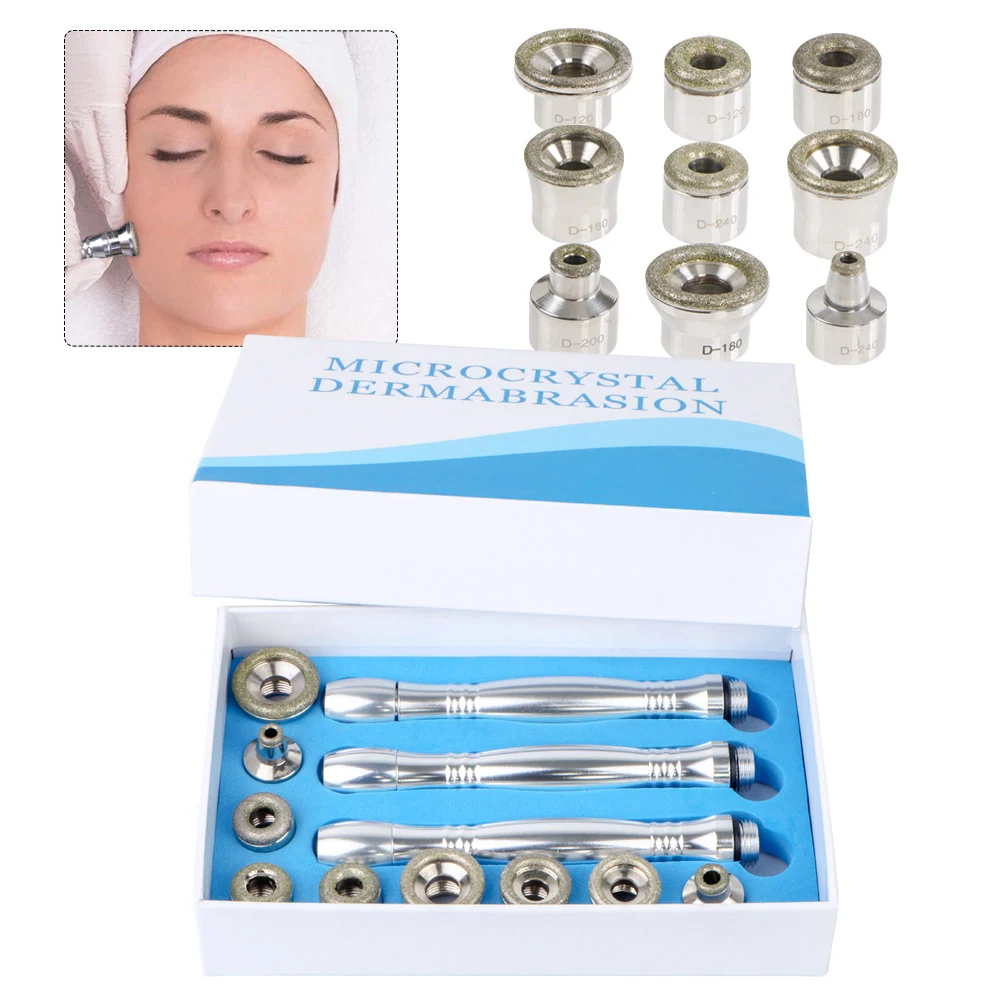
A microdermabrasion kit helps remove buildup of dead surface skin cells through controlled abrasion and suction-style assistance (depending on system design). The goal is to improve texture appearance, reduce dullness, and support smoother-feeling skin.
This is surface-level exfoliation support, not deep medical treatment. It can be useful for maintenance and polishing when paired with proper hydration and barrier care.
Who Should Consider a Diamond Microdermabrasion Set
A diamond microdermabrasion set may be useful for users with:
- Dull-looking skin texture
- Rough makeup application due to uneven surface
- Congested-looking nose/chin zones
- Desire for structured exfoliation routine
It may not be ideal for users with active inflammatory acne flares, broken skin, severe sensitivity, or unmanaged skin conditions. In those cases, professional assessment is recommended.
Choosing the Right Tip and Intensity
Most kits include multiple diamond tips. Larger tips often suit broader areas such as cheeks and forehead. Smaller tips are useful for nose sides and precise contour zones.
Start with a gentler tip and low intensity. Monitor response over 48 hours before increasing intensity. A controlled approach supports better long-term outcomes than aggressive first sessions.
Session Prep: What to Do Before Treatment
1. Remove makeup completely. 2. Cleanse skin with a mild cleanser. 3. Pat dry and ensure no active irritation in treatment zones. 4. Tie hair back and sanitize device contact components.
Do not use strong acids or retinoids right before treatment if your skin is reactive.
How to Perform a Safe Treatment Pass
Keep your strokes controlled and directional. Do not stay in one area too long. Maintain a steady glide and avoid excessive overlap in one session.
Typical pattern:
- Forehead: center to sides
- Cheeks: inner to outer
- Nose: top to lower sides with small tip
- Chin: center outward
A high-quality facial exfoliation device performs best when used with predictable stroke mapping rather than random movement.
Post-Treatment Care That Protects Results
After treatment:
- Use calming hydration
- Apply moisturizer to support barrier recovery
- Avoid strong actives for 24-48 hours
- Use sunscreen daily
If skin feels warm or tight, simplify your routine for two days and prioritize moisture.
This recovery phase is essential in any skin resurfacing tool protocol.
How Often Should You Use Microdermabrasion?
General guidance for many users:
- Sensitive skin: every 2-3 weeks
- Normal/combination: every 2 weeks
- Oily/congested skin: every 1-2 weeks (if tolerated)
More sessions do not equal better results. Over-exfoliation can compromise your barrier and trigger new problems.
Common Mistakes That Cause Setbacks
- Using high intensity from day one
- Repeating passes over same spot too many times
- Combining session with strong acid peel the same day
- Skipping post-care hydration
- Ignoring UV protection after treatment
A successful home dermabrasion routine is always measured and structured.
Home Use vs Professional Use
Home users should stay conservative and focus on maintenance-level treatment. Professional settings can adjust protocols based on skin assessment and training.
If you run a beauty studio, clear treatment records and client aftercare instructions are essential for consistency and satisfaction.
Results Timeline: What to Expect
A realistic progression:
- Immediate: smoother touch and brighter surface appearance
- 2-4 weeks: refined texture with regular schedule
- 6-8 weeks: clearer overall maintenance improvement
Results depend on skin type, routine quality, and product pairing after sessions.
How Microdermabrasion Fits an SEO-Friendly Beauty Content Strategy
From a content perspective, microdermabrasion kit topics perform well in organic search because users actively compare tools, routines, and safety methods. High-performing pages usually include:
- Step-by-step usage guidance
- Skin-type frequency recommendations
- Safety and aftercare details
- FAQ addressing discomfort and downtime
When your content matches real user intent, it naturally ranks better and converts better.
Internal Linking Strategy for Better SEO Performance
If you publish this article on an e-commerce blog, connect it with related pages so search engines and users can navigate your topic cluster more clearly. Good internal links for this page include:
- A category page for exfoliation and resurfacing devices
- A guide about ultrasonic skin scrubber vs microdermabrasion differences
- A post on post-exfoliation skincare and barrier recovery
- Product pages featuring your diamond-tip kits and replacement heads
This internal linking structure strengthens topical relevance, increases session depth, and helps product pages gain qualified traffic from informational search intent.
Content Upgrade Ideas to Improve Conversion
To turn this article into a stronger conversion asset, add practical visual and trust elements. Include a treatment frequency chart by skin type, a tip-size selection table, and a short safety checklist users can screenshot. Add before/after timeline illustrations that show realistic progression by week rather than exaggerated claims. You can also include a “who should not use this today” box near the top of the page. These upgrades improve readability, reduce return risk, and increase buyer confidence without relying on aggressive sales language.
Final Takeaway
A microdermabrasion kit can deliver strong value when you prioritize technique, moderation, and recovery care. Start gently, track response, and avoid over-treatment. Combined with hydration and sunscreen discipline, it can help maintain smoother, more polished-looking skin over time.
FAQ
1) Is microdermabrasion safe for beginners?
Yes, if beginners start with low intensity, proper prep, and conservative frequency.
2) Can I do microdermabrasion every week?
Some users can, but many skin types respond better to every 1-2 weeks.
3) Should I use retinol after treatment?
It is usually better to wait 24-48 hours, especially for sensitive skin.
4) Does a microdermabrasion kit remove deep scars?
It may improve surface texture appearance but is not a cure for deep scarring.
5) Why is sunscreen essential after treatment?
Freshly exfoliated skin is more vulnerable to UV damage and pigmentation changes.