
An ultrasonic skin scrubber is one of the most misunderstood beauty tools in the home skincare category. Some people expect it to instantly remove every blackhead in one session. Others avoid it because they worry it might damage skin. The truth is in the middle: used correctly, it can be a practical, gentle support tool for pore maintenance and surface exfoliation.
The keyword is “correctly.” Technique, timing, and moisture level matter more than aggressive pressure. A good routine can improve the look of congestion and texture over time. A poor routine can irritate skin and disrupt the barrier.
What an Ultrasonic Skin Scrubber Actually Does
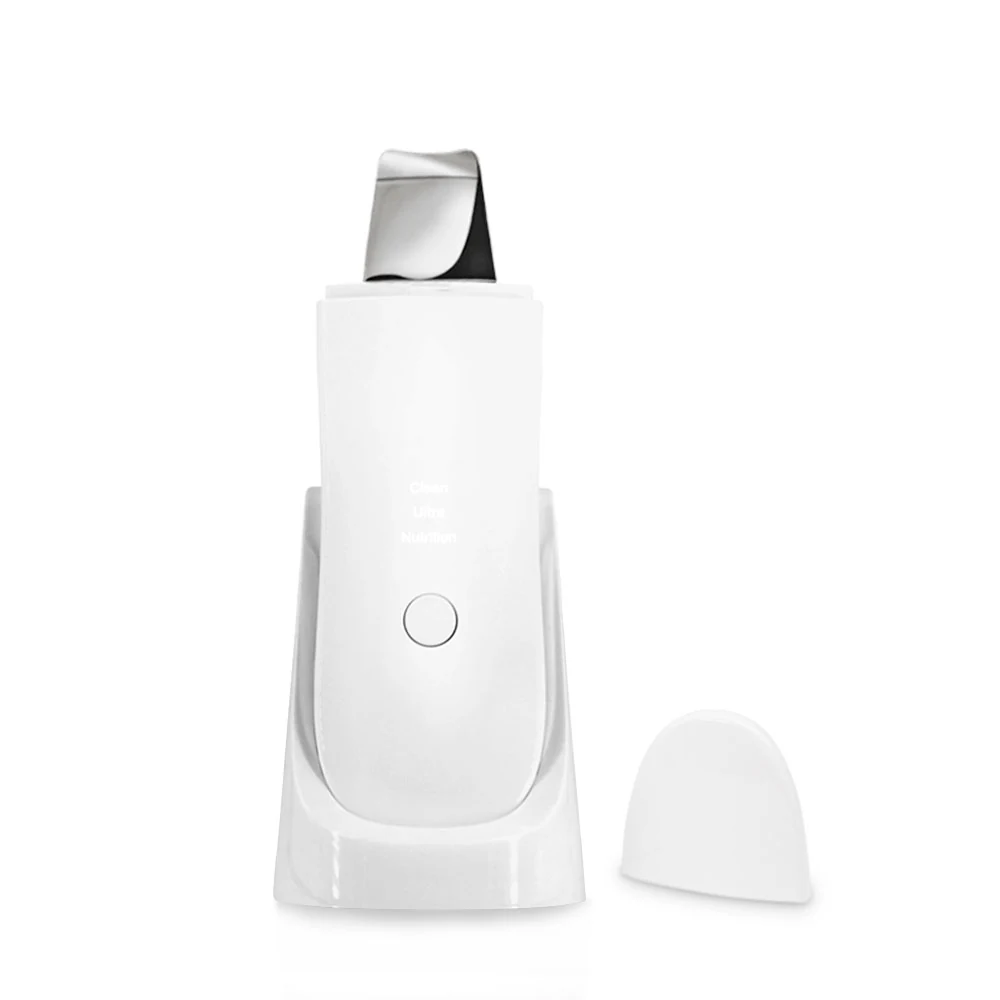
An ultrasonic skin scrubber typically uses high-frequency vibration in a metal spatula head to help lift oil, dead skin, and debris from the surface layer. It is often used after cleansing when skin is damp to improve glide and reduce friction.
Most devices include multiple modes, such as cleansing mode and ion import/export support modes. Cleansing mode is generally used to loosen visible buildup. Ion-related modes are often used to support product application.
This is not a replacement for all skincare steps. It is a targeted mechanical support tool.
Why Damp Skin Is Essential for Better Results
One common mistake is using a facial skin scrubber spatula on dry skin. That usually feels rough and delivers weak results. The device needs hydration to glide and transfer vibration efficiently.
Use water mist, toner, or an approved water-based essence to keep skin lightly damp during treatment. Re-wet as needed. Do not flood skin with heavy oils before cleansing mode, because oils can interfere with effective buildup lifting.
Best Areas to Treat and How to Hold the Blade
Common zones:
- Nose bridge and nose sides
- Chin area
- T-zone with visible oil buildup
- Areas with rough texture
Hold the blade at a shallow angle, usually around 30 to 45 degrees depending on device instructions. Use slow upward or outward motions with light pressure. Think “guiding” instead of “scraping.”
This technique helps your deep pore cleansing device work with less irritation risk.
A Weekly Routine for Pore Maintenance
A balanced routine for most users:
- Oily skin: 2-3 sessions per week
- Combination skin: 1-2 sessions per week
- Sensitive or dry skin: 1 session per week
Each session can be short, often 5-10 minutes. More is not always better. Overuse can stress skin.
If your goal is long-term clarity, consistency and restraint outperform aggressive sessions.
Step-by-Step Home Session Plan
1. Remove makeup and cleanse skin. 2. Use warm water or warm towel briefly to soften surface buildup. 3. Keep treatment zones damp. 4. Use cleansing mode with gentle blade angle. 5. Wipe blade frequently during session. 6. Rinse or wipe face after treatment. 7. Apply calming hydration and moisturizer.
This simple framework helps a blackhead remover tool at home feel predictable and safer.
Pairing the Scrubber With Other Skincare Products
After cleansing mode, skin can respond well to hydration-focused products. If your device includes import mode, follow brand guidance with compatible serums.
Avoid combining scrubber treatment with strong acids, high-strength retinoids, and abrasive scrubs in the same routine when your skin is not accustomed. Alternate these steps across different nights.
Barrier care is non-negotiable. A calm skin barrier usually gives better long-term clarity than aggressive short-term extraction attempts.
Mistakes That Cause Irritation
Typical errors include:
- Pressing too hard
- Staying too long on one area
- Using device on dry skin
- Overusing sessions weekly
- Using on inflamed acne lesions
- Skipping hydration afterward
If redness lasts too long or discomfort increases, reduce frequency and intensity. The goal of ultrasonic facial exfoliation is maintenance, not trauma.
Is an Ultrasonic Skin Scrubber Good for Blackheads?
An ultrasonic skin scrubber can help reduce the appearance of surface congestion and improve skin smoothness, especially around nose and chin. However, deep, stubborn blackheads may need professional treatment.
For home care, this tool works best as regular maintenance. Many users see better outcomes when they combine it with consistent cleansing habits and non-comedogenic skincare choices.
How to Choose the Right Device
Look for these features:
- Clear mode labeling
- Stable vibration performance
- Ergonomic body and non-slip grip
- Easy-to-clean stainless steel blade
- Battery life suitable for regular use
If your main concern is congestion, prioritize reliable cleansing mode. If your goal includes product support, choose a model with practical ion skin scrubber routine options.
What Results to Expect Over Time
Realistic expectations:
- Week 1-2: cleaner feel and smoother immediate surface
- Week 3-4: reduced visible buildup in frequently treated zones
- Week 5-8: improved texture appearance with consistent routine
Results depend on baseline oil production, lifestyle, and product compatibility. A device helps, but routine discipline creates the compound effect.
Final Takeaway
An ultrasonic skin scrubber can be a high-value home beauty tool when used gently, consistently, and with proper moisture support. Keep sessions short, avoid overuse, protect your skin barrier, and treat it as a maintenance tool rather than a one-time fix.
When used this way, it can improve pore appearance, reduce surface buildup, and make your skincare routine more effective over time.
FAQ
1) Can I use an ultrasonic skin scrubber every day?
Daily use is usually unnecessary. Most users do better with 1-3 sessions weekly depending on skin type.
2) Should I use it on dry skin?
No. Damp skin is important for comfort and better glide.
3) Is it safe for sensitive skin?
Yes, if used gently and less frequently. Patch testing and conservative use are recommended.
4) Does it remove all blackheads completely?
It helps with surface congestion, but deep blackheads may require professional extraction.
5) What should I apply after treatment?
Use hydrating, soothing products and avoid harsh actives immediately after session.